
Community profile · South Sudan
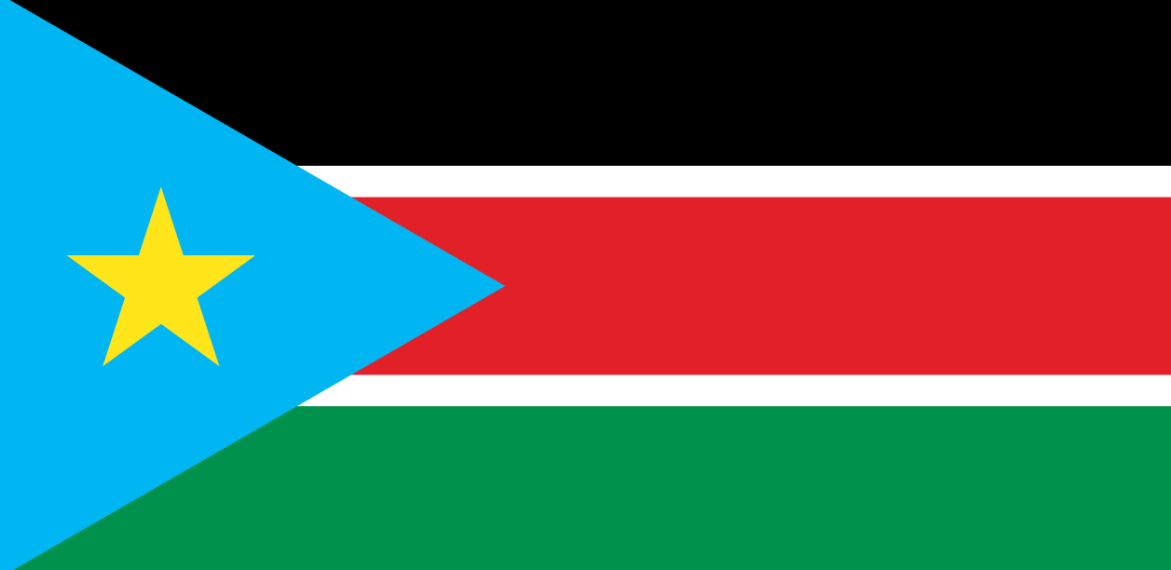
Pari
Pari · Lafon area
The old heritage book includes a profile of the Pari community of the Lafon area in South Sudan. The original account is retained here for community review.
Legacy source profile · Review requiredFrom the original KP Jaluo Abroad heritage book
Community history
and cultural account.
People and Identity
The Pari are a Luo ethnic group residing in Eastern Equatoria, South Sudan, mainly concentrated in the Lafon area (also known locally as Pari Hills or Pari Mountain), located in Lafon County. Though small in population, the Pari hold a distinct and proud place in the Luo lineage, maintaining a deep connection to the traditions, language, and ancestry shared with other Nilotic Luo peoples such as the Shilluk, Anuak, Acholi, and Joluo.
The term “Pari” refers both to the people and their language, and they are sometimes classified under the Eastern or Southeastern Luo due to their geographic placement and unique linguistic patterns.
Origins and Migration
The Pari people are believed to have descended from the great Luo migration that began in Bahr el-Ghazal (present-day South Sudan), around the 15th century. Like other Luo subgroups, the Pari trace their ancestral origins to the mythic leader Nyikango, though their specific migratory route diverged southeastward, leading them to settle in the Lafon Hills.
Pari oral tradition speaks of an extended eastward migration, during which they split from other Luo groups and moved through central Upper Nile before reaching their present homeland. Their settlement in the elevated, rocky terrain of Lafon allowed them to remain relatively isolated, helping them preserve distinct Luo customs and identity despite pressures from surrounding ethnic groups.
The Pari refer to themselves as Jo-Pari (People of Pari), echoing the naming structure found across the Luo world (e.g., Jo-Luo, Jo-Padhola).
Language and Linguistic Identity
The Pari language, also called Lokoro, belongs to the Western Nilotic branch of the Nilo-Saharan language family, specifically within the Luo language cluster. Though smaller in speaker population, it retains strong structural ties to the languages of the Shilluk, Anuak, and Acholi, with some unique adaptations developed through contact with neighboring Lotuko, Bari, and Didinga speakers.
Lokoro is considered endangered due to displacement, low literacy, and assimilation pressures — but it remains a central marker of Pari identity, especially in rural villages and among elders.
Culture and Society
The Pari maintain a clan-based social structure, with elders, spiritual leaders, and lineage heads playing key roles in governing social life. Like other Luo peoples, the Pari have strong traditions of oral history, praise poetry, and ritual storytelling, often centered on themes of migration, ancestor reverence, conflict resolution, and land inheritance.
They are traditionally agro-pastoralists, practicing farming, cattle keeping, and hunting. Major crops include sorghum, millet, cassava, and groundnuts, and livestock serves not only economic purposes but also ceremonial roles in marriage, initiation, and sacrifice.
The Pari are known for their initiation ceremonies, including male circumcision rituals and age-set systems, which serve as rites of passage and reinforce communal bonds — traditions they share with neighboring Nilotic groups but rooted in Luo cosmology.
Traditional spiritual practices centered around ancestral spirits and natural forces remain strong in some areas, though many Pari today are Christian, particularly Catholic or Anglican. Still, ancestral rituals continue to coexist with modern faith systems.
Art, Dress, and Dance
The Pari express their culture through music, dance, body decoration, and ritual performance. Traditional dress includes animal skins, beaded adornments, and ochre-based body paint, especially during festivals, weddings, and initiation rites.
They perform community dances that often reflect warrior identity, fertility rites, and ancestral remembrance, accompanied by drums, clapping, flutes, and call-and-response chants — echoing rhythms found across the Luo cultural map.
Contemporary Life and Challenges
Like many small ethnic groups in South Sudan, the Pari have faced decades of displacement, especially due to civil wars and land conflicts. The spread of modern education and Christianity has also created generational gaps in language fluency and ritual knowledge.
Many Pari youth now live in urban centers such as Juba or Torit, where cultural preservation faces increasing challenges. However, there is a growing movement to document the Lokoro language, revive initiation rituals, and protect Pari land and heritage, particularly among diaspora communities and cultural leaders.
Identity and naming
Recognising the community
on its own terms.
The source discusses Pari identity, language and classification within wider Luo groupings. These interpretations should be checked with Pari contributors and relevant researchers.
KP Jaluo Abroad extends sincere gratitude to the elders, cultural custodians, storytellers, researchers, families and community members whose knowledge, memories and contributions have helped bring the story of Pari to light. Your willingness to share and document this heritage helps preserve it for present and future generations. We appreciate everyone who has walked alongside KP Jaluo Abroad in making this community story visible.
Areas of heritage documentation
People and identity
Origins and migration accounts
Language and linguistic identity
Culture, society and local history
Related directory


