People, places and shared heritage
Luo Communities
Explore Luo communities in 6 countries across East and Central Africa. Each community is presented on its own terms, with its names, histories and cultural knowledge open to local review.
One connected directory
Explore by Country.
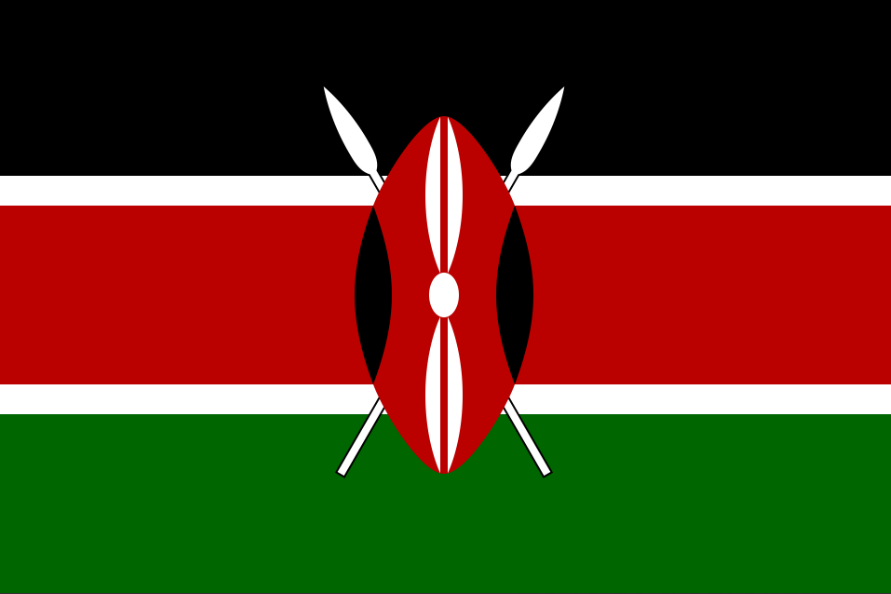
Kenya
Kenya is an important home of the Joluo (Luo) community, particularly around the eastern shores of Lake Victoria and in communities throughout the country and diaspora.
Lake Victoria & East Africa Explore Kenya communities ↗
Uganda
Uganda is home to several communities whose languages are commonly discussed within the wider Luo linguistic grouping. Their identities and histories are distinct and deserve individual treatment.
East Africa & Upper Nile Explore Uganda communities ↗
Tanzania
Tanzania is part of the wider Lake Victoria region and has long-standing cross-border movement, family and cultural connections. This directory will document specific Luo-related communities and links only where supported by local knowledge and reliable sources.
Lake Victoria & East Africa Explore Tanzania communities ↗
South Sudan
South Sudan is home to communities with important historical and linguistic connections to the wider Luo-speaking world. The platform will present each community in its own context.
Upper Nile & East Africa Explore South Sudan communities ↗
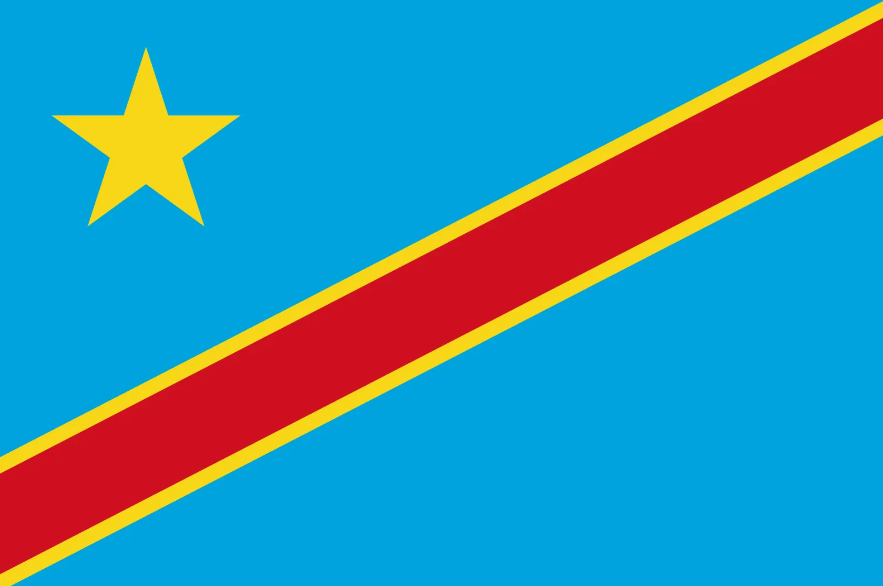
DR Congo
The north-eastern borderlands of the Democratic Republic of the Congo are connected to neighbouring communities and histories across the region. The Alur are among the communities whose cross-border heritage is relevant to this directory.
Great Lakes & Upper Nile Explore DR Congo communities ↗
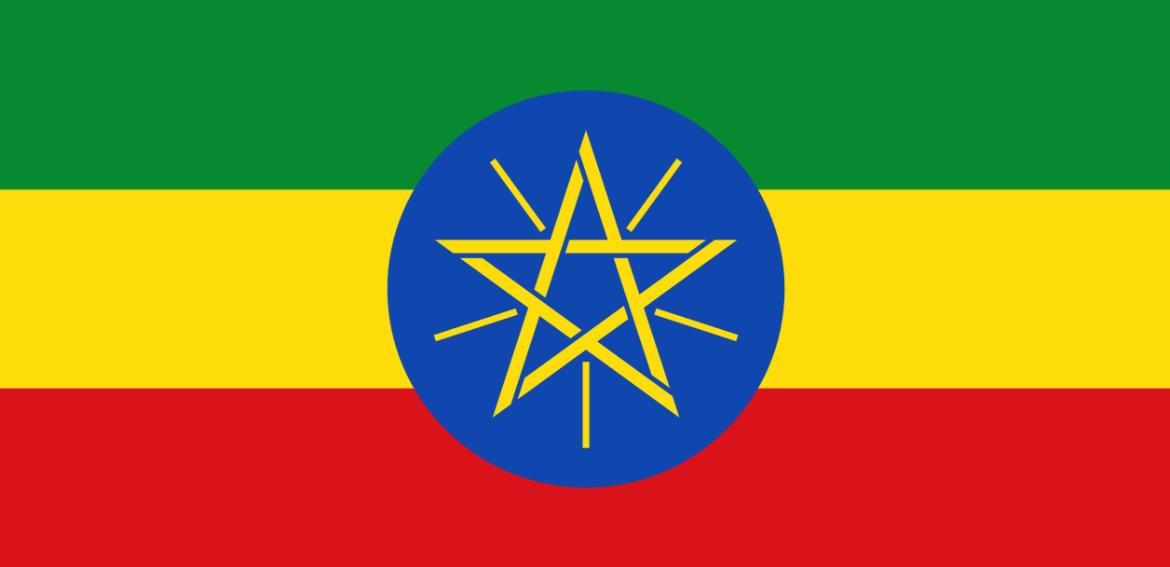
Ethiopia
The Anywaa (also written Anuak) have communities in Ethiopia and South Sudan. Their history, language and identity will be documented as a distinct community within the wider regional story.
Upper Nile & Horn of Africa Explore Ethiopia communities ↗No matching country found. Try another country or community name.
Explore each country to discover its documented Luo communities, histories and cultural stories. Community identities and cross-border connections are presented with care and respect.
Your voice matters
Help us get the story right.
Are you a community member, elder, language practitioner, researcher or cultural organiser? Share corrections, sources and local knowledge with context and attribution.
Share your knowledge →


