
Community profile · South Sudan
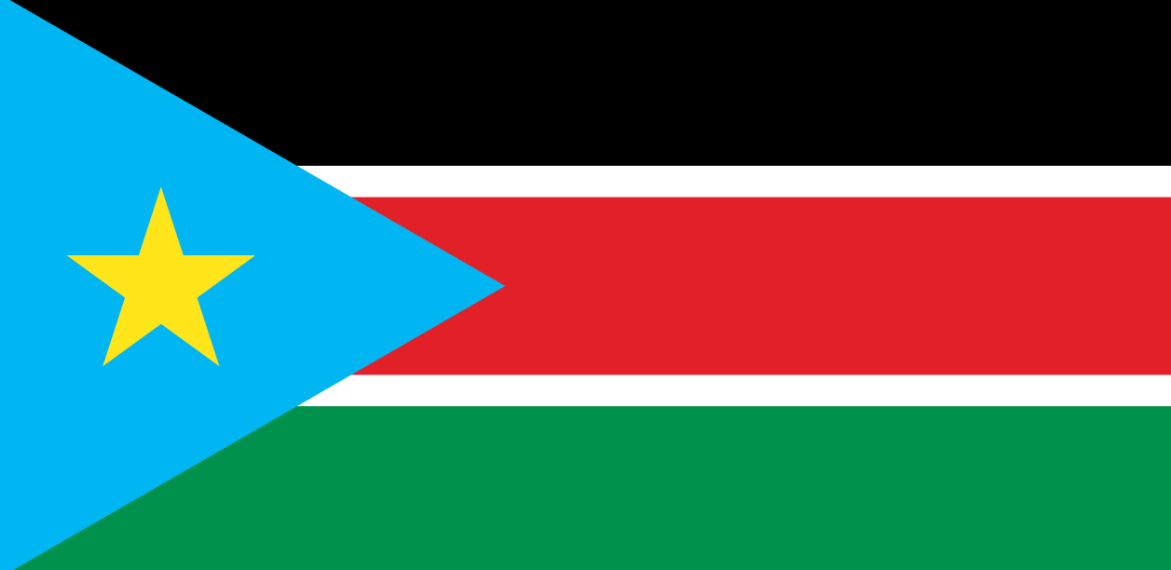
Luwo
Luwo · Luo of Wau
The old heritage book contains a profile of the Luwo community, particularly around Wau and Jur River in South Sudan.
Legacy source profile · Review requiredFrom the original KP Jaluo Abroad heritage book
Community history
and cultural account.
People and Identity
The Luwo (sometimes spelled Luo or Luo of Wau) are a Luo-speaking Nilotic people of South Sudan, primarily found in the northern parts of Western Bahr el-Ghazal State, especially around Wau, Jur River County, and nearby rural settlements. Despite being one of the smaller Luo groups, the Luwo maintain a strong cultural identity rooted in the Luo migration legacy and kinship ties to other Luo peoples such as the Shilluk, Anuak, Acholi, and Alur.
A Note on Naming: The Term “Jur Chol”
The Luwo are sometimes referred to as “Jur Chol” in South Sudanese discourse. This term, while widely used in official and social contexts, is considered derogatory by many Luwo themselves.
- In the language, "Jur" roughly means “foreigner” or “non-,” and “Jur Chol” (often translated as “Black outsider” or “black foreigner”) has historically been used by some groups to refer dismissively to non-, dark-skinned neighboring tribes.
- While some Luwo individuals have reappropriated or tolerated the term out of pragmatism, many view it as a colonial-era label that erases their distinct identity and reinforces ethnic hierarchies.
- For this reason, Luwo intellectuals and community leaders strongly advocate for the exclusive use of “Luwo”, their rightful name that reflects their Luo heritage and cultural dignity.
Origins and Migration
The Luwo trace their ancestry to the greater Southern Luo migration from the Bahr el-Ghazal region, moving gradually westward and southward during the 15th–17th centuries. Oral traditions suggest that they are among the first Luo groups to have settled west of the Nile, making them linguistic and cultural cousins of the Shilluk, Anuak, and Acholi.
Their migration path eventually brought them into the grassland and forest-savanna regions near Wau, where they established clan-based communities with strong ties to the land, water sources, and seasonal cycles.
Language and Ethnolinguistic Identity
The Luwo speak Thur, a Western Nilotic language of the Luo family. It is mutually intelligible in parts with Shilluk (Dhøg Cøllø) and Anuak, but has distinct vocabulary, intonation, and structure.
Thur is still widely spoken in rural Luwo areas and is central to oral storytelling, ritual speech, and clan praise songs. However, its preservation is under pressure due to urban migration, conflict-driven displacement, and the dominance of Arabic and English in official communication.
Culture and Society
The Luwo are traditionally agro-pastoralists, cultivating sorghum, millet, sesame, groundnuts, and raising cattle, goats, and poultry. Like other Luo peoples, they live in clan-based homesteads, with land inheritance and social roles passed through patrilineal lineage.
Key cultural traits include:
- Initiation rites marking the transition from youth to adulthood
- Bridewealth exchanges often involving cattle and symbolic items
- Clan totems and taboos, used to structure marriage, burial, and kinship rules
- Strong traditions of music, storytelling, and drumming, especially in praise of elders and ancestors
Religion today is primarily Christian, especially Catholic and Episcopal, but traditional beliefs in ancestral spirits and natural forces remain embedded in many rituals and healing practices.
Challenges and Identity Assertion
The Luwo have historically faced marginalization in national narratives due to their small population and the dominant presence of neighboring groups such as the . The widespread use of “Jur Chol” in government registries and even school systems has contributed to confusion and erasure of their unique ethnic identity.
However, Luwo leaders, youth organizations, and diaspora communities are actively reclaiming their name and heritage. They are pushing for:
- Official recognition of the name “Luwo” in national and local records
- Language preservation efforts through Thur-language education and publications
- Greater representation in regional governance
Today, the Luwo of Wau stand firm as part of the broader Luo nation, honoring their ancestry while advocating for respect, visibility, and cultural continuity.
Identity and naming
Recognising the community
on its own terms.
The source includes a note on the term “Jur Chol” and its reception. Naming and terminology should be checked with Luwo community contributors and presented with care.
KP Jaluo Abroad extends sincere gratitude to the elders, cultural custodians, storytellers, researchers, families and community members whose knowledge, memories and contributions have helped bring the story of Luwo to light. Your willingness to share and document this heritage helps preserve it for present and future generations. We appreciate everyone who has walked alongside KP Jaluo Abroad in making this community story visible.
Areas of heritage documentation
People and identity
Naming and terminology
Origins and migration accounts
Language and ethnolinguistic identity
Related directory


