
Community profile · South Sudan
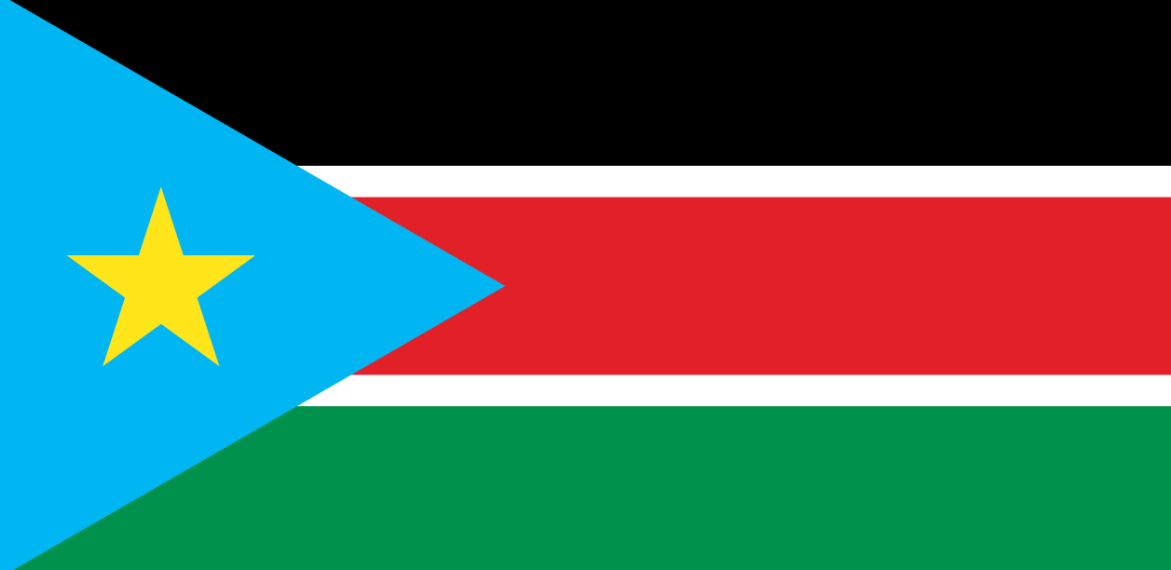
Chollo / Shilluk
Chollo · Shilluk (usage varies)
The Chollo, widely referred to in some external sources as Shilluk, are a distinct community with a rich history, language, political traditions and cultural heritage in the Upper Nile region.
Introductory profile · Community review invitedFrom the original KP Jaluo Abroad heritage book
Community history
and cultural account.
People and Identity
The Shilluk, who call themselves the Chollo, are a prominent Luo ethnic group found primarily along the western banks of the White Nile River in Upper Nile State, South Sudan. With an estimated population of over 500,000 people, they are one of the largest and most historically influential branches of the Luo family.
The Shilluk are closely related linguistically and culturally to other Luo groups such as the Anuak, Acholi, Alur, and Joluo, but they developed one of the most distinct and centralized political systems among all Luo peoples. Their language, Dhøg Cøllø, is a Western Nilotic tongue and part of the broader Luo linguistic family.
Mythology and Historical Origins
The Shilluk trace their ancestry to Nyikango, a legendary leader and founding ancestor who led their migration from the Bahr-el-Ghazal region in present-day South Sudan during the wider Luo migration of the 15th century. Unlike many other Luo groups who continued southward into Uganda and Kenya, Nyikango and his followers went north and settled along the Nile and established a centralized kingdom.
Nyikango is revered not only as a great leader but also as a semi-divine figure, and his legacy laid the foundations of the Shilluk Kingdom, one of the most developed precolonial monarchies in the Nilotic world. This divine kingship became the heart of Shilluk identity, giving rise to a hereditary royal line of kings known as the Reth.
The capital of the kingdom was Fashoda (now known as Kodok), which became both a political center and a sacred site. The Shilluk Kingdom flourished from the 16th to the 19th century, controlling trade routes and resisting external influence for centuries.
Culture and Society
The Shilluk's deep cultural roots as a Luo people are reflected in their oral traditions, clan systems, and reverence for ancestral spirits. Like other Luo, they are organized into clans with distinct totemic symbols and ritual responsibilities.
They maintain a strong sense of communal identity and kinship obligations, and their history is preserved through songs, praise poetry, and storytelling, often recounting the deeds of kings and ancestral heroes.
The Reth, or king, is still recognized today as a symbol of unity and continuity. Though his political power was weakened by colonial rule and civil war, his cultural and spiritual authority remains intact. The king’s health and moral standing are believed to reflect the well-being of the entire Shilluk nation — a distinctly Luo notion of leadership fused with sacred responsibility.
The Shilluk also practice traditional Luo funeral rites, age-grade systems, and naming customs, though these have evolved alongside the spread of Christianity, particularly Catholicism and Anglicanism.
Livelihood and Daily Life
Like many Luo groups, the Shilluk traditionally practiced agro-pastoralism. They are skilled farmers, fishermen, and cattle herders, cultivating sorghum, millet, maize, and groundnuts along the fertile floodplains of the Nile.
Their diet includes sour porridge, smoked fish, and dishes similar to those found among other Luo peoples, such as bean stews and millet-based staples. Fishing from the Nile remains a central part of both the economy and spiritual life.
Shilluk dress was historically made from animal skin and beads, but modern clothing is widely worn today, especially in urban centers. Nevertheless, traditional attire and body art are still displayed during royal ceremonies, initiation rites, and cultural festivals.
Dances and Ceremonies
The Shilluk have a wide variety of ceremonial dances, many of which are linked to:
- Royal succession and coronation rituals,
- Agricultural cycles,
- Warrior initiations, and
- Social transitions, such as marriage and elderhood.
Dances are accompanied by drums, songs, and call-and-response chants that celebrate heroism, unity, and ancestry — echoing the same cultural rhythms seen across the Luo world.
Modern Challenges and Resilience
In recent decades, the Shilluk have faced serious challenges due to civil wars, displacement, and land disputes, particularly with neighboring groups such as the . The destruction of ancestral land, including areas around Malakal, has been a source of profound trauma.
Yet despite these struggles, the Shilluk remain a proud Luo people, fiercely protective of their heritage, their language, and their royal lineage. The institution of the Reth endures, and many cultural practices — once under threat — are now being revived by the youth.
Efforts to document Dhøg Cøllø, preserve oral traditions, and protect cultural land are gaining strength, with the Chollo diaspora playing a key role in cultural revitalization.
Identity and naming
Recognising the community
on its own terms.
Naming is important. The profile includes Chollo and Shilluk as search terms and will follow preferences expressed by community contributors in each context.
KP Jaluo Abroad extends sincere gratitude to the elders, cultural custodians, storytellers, researchers, families and community members whose knowledge, memories and contributions have helped bring the story of Chollo / Shilluk to light. Your willingness to share and document this heritage helps preserve it for present and future generations. We appreciate everyone who has walked alongside KP Jaluo Abroad in making this community story visible.
Areas of heritage documentation
Thur / Chollo language and oral literature
Community histories and institutions
Upper Nile landscapes, settlements and memory
Cultural knowledge, performance and contemporary diaspora
Related directory


