Community profile · Uganda and DR Congo
Alur
Alur communities across the Uganda–DR Congo border region
Alur communities are found on both sides of the Uganda–Democratic Republic of the Congo border. Their histories and contemporary lives are shaped by local communities and cross-border connections.
Introductory profile · Cross-border review invitedFrom the original KP Jaluo Abroad heritage book
Community history
and cultural account.
Watch and explore
Videos and documentaries
The Alur are a Luo ethnic group belonging to the Southern Luo family, closely related to the Acholi, Jopadhola, and Joluo of Kenya and Tanzania. They are descendants of Gipir (also known as Nyipir), one of the legendary Luo forefathers whose story is central to the ancestral narrative of many Nilotic groups. The Alur inhabit regions across northwestern Uganda and northeastern Democratic Republic of the Congo (DRC), forming one of the largest and most widely spread Luo-speaking communities.
Homeland
In Uganda, the Alur primarily live in the districts of Nebbi, Zombo, Pakwach, and parts of Arua. Across the border in the DRC, they are concentrated in Mahagi Territory in the Ituri Province, mainly north of Lake Albert. According to the 2014 Ugandan census, there were approximately 800,000 Alur in Uganda. In the DRC, their population is estimated to exceed eight million, making them a significant ethnic presence in both countries. The Alur diaspora continues to grow globally, with community membe...
Kingship
The Alur Kingdom is a respected cultural institution that continues to unite the people across both Uganda and the DRC. The current Rwoth (King) of the Alur is His Majesty Rwoth Ubimu Phillip Rauni Olarker III, who serves as the cultural and spiritual leader of the Alur people. In addition to his role in safeguarding the traditions and unity of the Alur, the king also holds a position of great symbolic importance within the broader Luo community.
The Alur Kingdom is the custodian of the sacred Luo ancestral spear, a symbol of heritage, leadership, and continuity across all Southern Luo subgroups. This spear connects the Alur to their Luo kin in Uganda, Kenya, Tanzania, South Sudan, and Ethiopia, and represents the shared legacy of the ancient migration from Bahr-el-Ghazal to the present-day Luo settlements.
Language
The Alur speak DhoAlur, a Western Nilotic language that is linguistically close to Acholi, Dhopadhola, and Dholuo. However, there are notable dialectical differences within the Alur community. The highland Alur, found in places like Okoro and much of the DRC, speak a dialect that differs significantly from the riverain Alur, also known as the Jonam, who live along the Nile and Lake Albert. In some cases, speakers of these two dialects may struggle to fully understand one another. The midland dialect,...
Chiefdoms
Alur society is deeply clan-based, with specific clans historically tied to leadership and royal lineage. Among the most influential clans are Atyak, Ucibu, PaKwonga, and PaMitu. These clans have played a central role in shaping the sociopolitical landscape of Alurland, particularly in matters of leadership succession, traditional law, and cultural preservation. Clan identity remains a cornerstone of Alur social organization, connecting families to their heritage and collective memory.
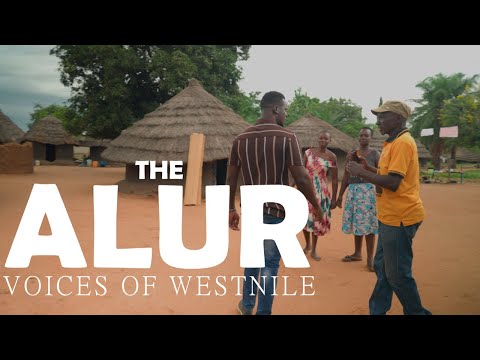
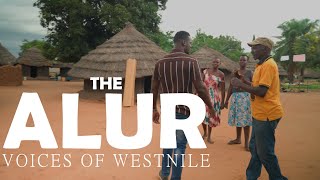
📺 Watch Full Documentary on the Alur
Watch related video on YouTube ↗Finished reading?
Watch the story
Identity and naming
Recognising the community
on its own terms.
The platform will document Alur identities across national borders while recognising local differences, preferred names and the distinct contexts of each community.
KP Jaluo Abroad extends sincere gratitude to the elders, cultural custodians, storytellers, researchers, families and community members whose knowledge, memories and contributions have helped bring the story of Alur to light. Your willingness to share and document this heritage helps preserve it for present and future generations. We appreciate everyone who has walked alongside KP Jaluo Abroad in making this community story visible.
Areas of heritage documentation
Alur language and local varieties
Cross-border family, clan and place histories
Cultural institutions, oral traditions and performance
Borderland mobility and contemporary community life
Related directory


