
Community profile · Uganda and South Sudan

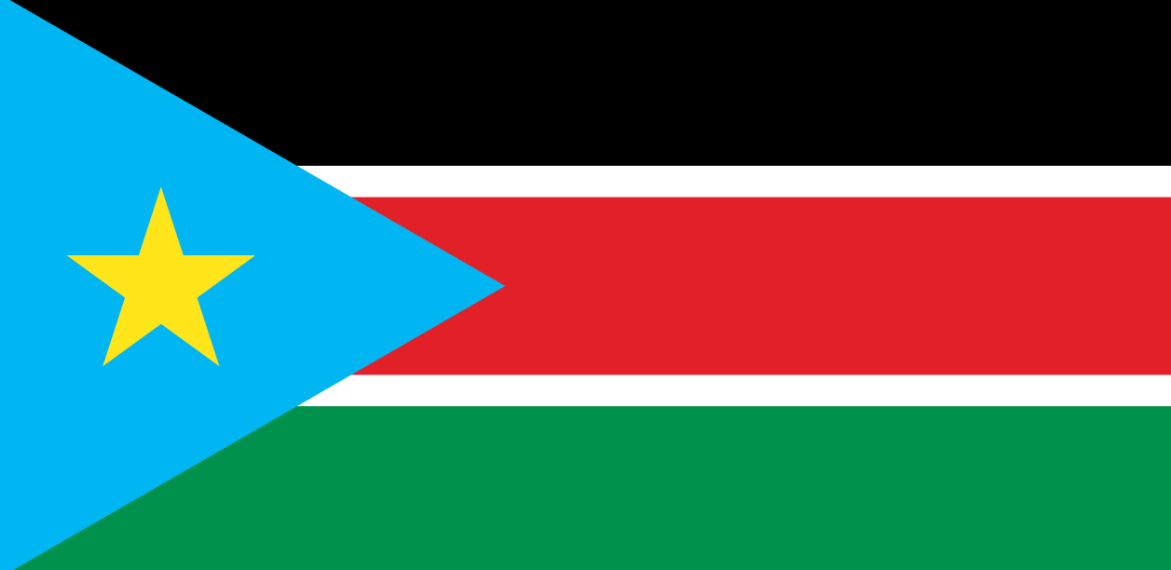
Acholi
Acoli (spelling varies)
The Acholi are a distinct community with their own language, histories, institutions and cultural life, principally associated with northern Uganda and neighbouring areas.
Introductory profile · Community review invitedFrom the original KP Jaluo Abroad heritage book
Community history
and cultural account.
Watch and explore
Videos and documentaries
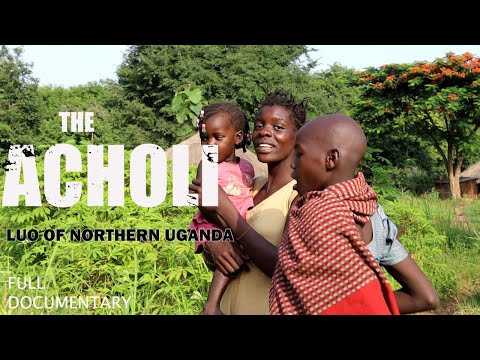
The Acholi (also spelled Acoli) are a Luo ethnic group primarily found in Northern Uganda, specifically in the districts of Gulu, Amuru, Kitgum, and Pader, as well as Magwi County in South Sudan. They are part of the Southern Luo family, sharing deep historical, cultural, and linguistic ties with the Alur, Jopadhola, and Joluo communities.
Origins and Migration
The Acholi trace their origins to Bahr el-Ghazal in South Sudan. Between 1400 and 1800 AD, they migrated south in search of pastureland. According to oral tradition, a conflict between two brothers—Gipir and Labongo—led to a split. Gipir moved west and became the ancestor of the Alur, while Labongo crossed east of the Nile around 1500 AD. From Labongo’s lineage, the Acholi and Langi peoples emerged.
The name Acholi was popularized by Arabic-speaking traders in the 19th century who called them Shooli, comparing them to the Shilluk (Collo) of South Sudan. Over time, the term evolved into Acoli or Acholi.
Language
The Acholi speak Dhopacholi, a Western Nilotic language closely related to Lango and other Luo dialects. It is mutually intelligible with Dhopadhola and Dholuo and is spoken by over 2.3 million people. The language has three dialects: Labwor, Nyakwai, and Dhopaluo.
Society and Leadership
Traditional Acholi society was organized into chiefdoms, each led by a Rwot (chief) from a single lineage. These chiefdoms consisted of several villages and patrilineal clans (kaka), many of which had sub-clans led by sub-chiefs.
Today, the Paramount Chief of the Acholi is Rwot David Onen Acana II, who serves as the cultural leader and custodian of Acholi heritage and identity.
Historically, Acholi homesteads featured round, high-peaked huts with mud sleeping platforms and central fireplaces. While the Acholi were once skilled hunters who owned communal hunting grounds, today they primarily engage in mixed agriculture and small-scale livestock keeping.
Economy
Millet is the staple crop, and the Acholi also cultivate maize, sorghum, groundnuts (peanuts), beans, and other savanna crops. They raise goats, sheep, and cattle and engage in stream and swamp fishing for both food and trade.
Beliefs and Spirituality
Traditional Acholi spirituality centers on three categories of spirits (jok or jogi):
- Ancestral spirits — benevolent and concerned with the welfare of descendants.
- Community spirits — protective of the entire chiefdom.
- Malevolent spirits — thought to cause illness or misfortune, often dealt with through spirit possession rituals.
Prayers and offerings were made to seek health, fertility, rain, and protection from harm.
Music and Dance
Dance and music are essential to Acholi cultural expression, used to pass down knowledge, mark life events, and promote unity. Each dance corresponds to a specific context such as courtship, war, funerals, celebration, or farming seasons.
Traditional Acholi Dances Include:
- Larakaraka – Courtship dance
- Otole – War dance
- Apiti – Girls’ dance during the rainy season
- Atira – War dance with spears and shields
- Bwola – Royal court dance performed in a circle
- Ding-Ding – Girls’ dance mimicking birds, performed on sunny days
- Ladongo – Celebrates successful hunting
- Lalobaloba – Social dance without drums
- Myel Awal – Funeral dance around burial sites
- Myel Wamga – Wedding or beer celebration dance
📺 Watch Full Documentary on the Acholi
Watch related video on YouTube ↗Finished reading?
Watch the story
Identity and naming
Recognising the community
on its own terms.
This profile treats Acholi identity on its own terms. Wider linguistic relationships do not make neighbouring communities interchangeable.
KP Jaluo Abroad extends sincere gratitude to the elders, cultural custodians, storytellers, researchers, families and community members whose knowledge, memories and contributions have helped bring the story of Acholi to light. Your willingness to share and document this heritage helps preserve it for present and future generations. We appreciate everyone who has walked alongside KP Jaluo Abroad in making this community story visible.
Areas of heritage documentation
Acholi language and oral literature
Local histories, leadership and social institutions
Music, dance, performance and material culture
Community memory, displacement, return and diaspora experiences
Related directory


